
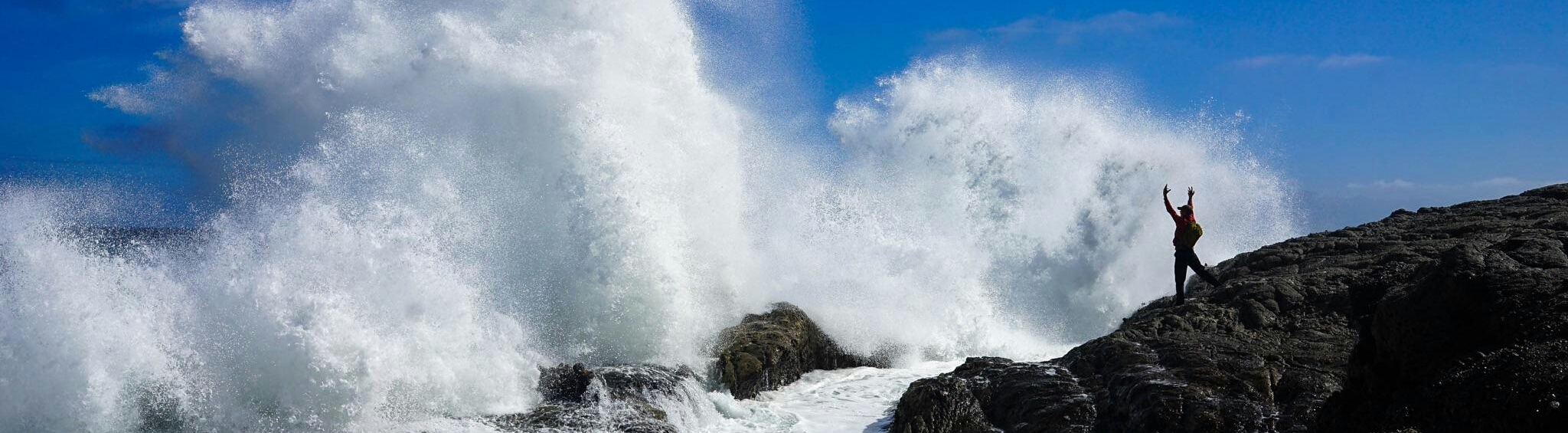
WHY ALL THE LITTER?
I’m sure we’ve all visited some beautiful mountain lake only to find the once pristine environment strewn with litter.
Litter is becoming more and more of a problem as our population grows increasing the amount of trash that winds up on our streets and hiking trails, waterways, and eventually our oceans. According to Wikipedia, about 18 percent of litter ends up in local streams, rivers, and waterways. Litter in the ocean either washes up on beaches or collects in ocean gyres such as the Great Pacific Garbage Patch.
Cigarette butts are the most littered item in the world, with 4.5 trillion discarded annually. Estimates on the required time for cigarette butts to break down vary. They range from five years to 400 years for complete degradation. Other top litter items include plastic bags, plastic single use bottles, coffee cups and lids, and styrofoam.
Litter also carries substantial cost to the economy. Cleaning up litter in the U.S. costs hundreds of dollars per ton, about ten times more than the cost of trash disposal, for a cost totaling about $11 billion per year (Wikipedia).
The best course of action is to stop products from becoming litter in the first place, by increasing recycling rates, and reducing the use of disposable plastic items, such as bags and polystyrene cups, which easily escape into the environment. In the meantime we can continue to pick up litter one piece at a time (so what if it’s not ours?) and join organized (or unorganized) cleanups in our areas.
So what can we do?
1. Proper Disposal. Educate people on the need to dispose of their trash properly, and make it easy for them to do so.
2. Waste Reduction. Examine how much waste we produce, and find ways to reduce it.
The best course of action is to stop products from becoming litter in the first place, by increasing recycling rates, and reducing the use of disposable plastic items, such as bags and polystyrene cups, which easily escape into the environment. In the meantime we can continue to pick up litter one piece at a time (so what if it’s not ours?) and join organized (or unorganized) cleanups in our areas.
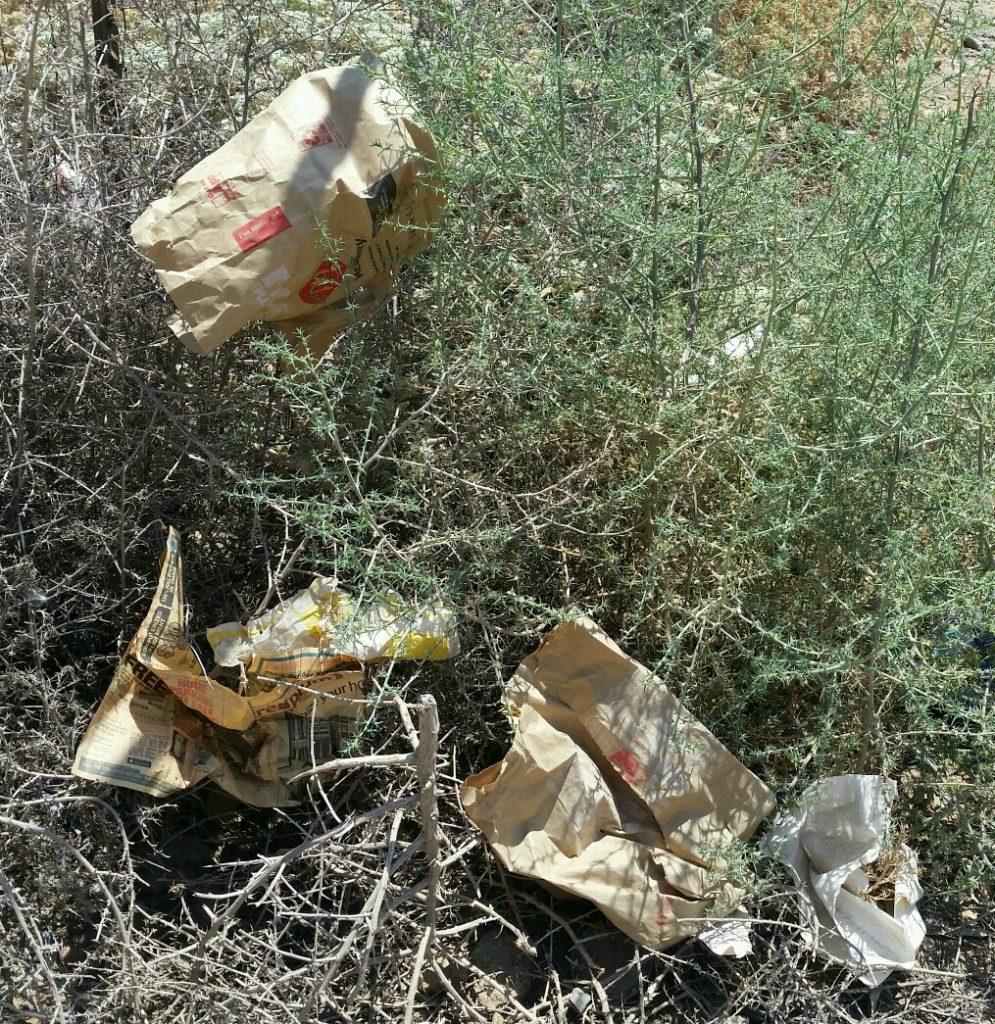
Trashfree Trails
I love the outdoors and am passionate about hiking. I am continuously dismayed, however, by the amount of litter on our trails. I began picking up the litter and assorted trash as I hiked along and was astounded by the sheer volume of what i collected. I started TrashFree Trails hoping to get others interested in ridding our trails, waterways, and neighborhoods of the unsightly rubbish.
Most common Trail Trash:
Beverage containers (cups and bottles)
Plastic bags
Cigarette butts
HELP KEEP OUR TRAILS TRASH FREE