Litter
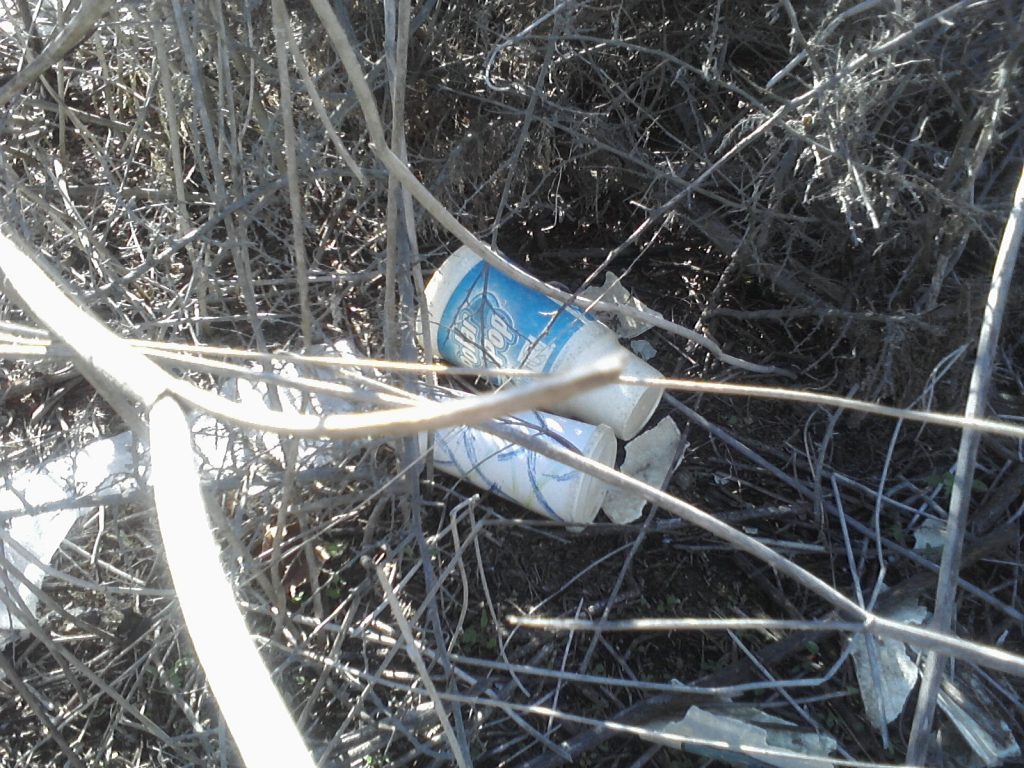
Trash litters our streets, trails, and watersheds, eventually working it’s way to our oceans.
“The environment is where we all meet; where all have a mutual interest; it is the one thing all of us share.” — Lady Bird Johnson
Environment
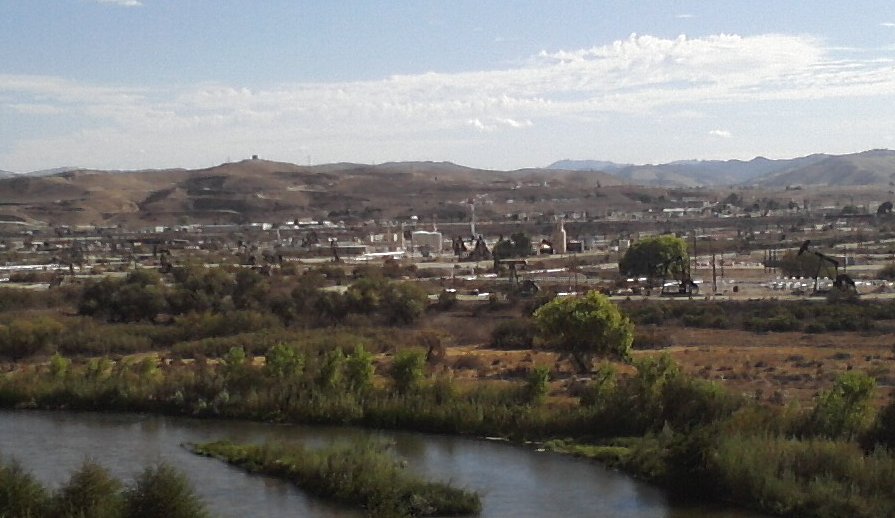
Oil companies, developers, and other industries destroy natural habitat, pollute our rivers and streams and otherwise contribute to the overall ill health of our planet.
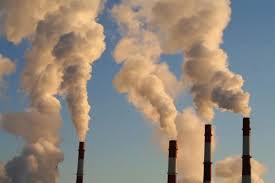
Air Pollution
The burning of fossil fuels emits harmful particulates into the air we breathe, causes unsightly smog, and contributes to the global warming and climate change of our planet.
Green Facts: Did you know?
1. Biodegradation Times
Paper towel – 2-4 weeks
Orange or banana peel- 2-5 weeks
Newspaper- 6 weeks
Apple core- 2 months
Waxed milk carton- 3 months
Plywood- 1-3 years
Wool sock- 1-5 years
Cigarette filter- 1-50 years
Plastic Bag- 10-20 years
Plastic film canister- 20-30 years
Nylon Fabric- 30-40 years
Leather- 50 years
Tin can- 50 years
Foamed plastic cup- 50 years
Rubber boot sole- 50-80 years
Aluminium can- 80-200 years
Disposable diapers- 450 years
Plastic beverage bottles- 450 years
Monofilament fishing line- 600 years
Glass Bottle- 1,000,000 years
It should be noted that plastic and styrofoam do not “biodegrade.” Instead they break up into smaller and smaller pieces in the environment. They get spread by wind and water, find their way into watersheds, and eventually make it to the ocean where they are consumed by fish and birds unable to distinguish between real food and the plastic and styrofoam fragments.
2. Cycle of Plastic
In the US alone, consumers dump over 2 million plastic bottles every hour. How are these bottles created? How are they recycled?
The majority of plastic bottles are made from polyethylene terephthalate (PET) plastic, produced from crude oil. The oil is extracted in a refinery releasing greenhouse gases and harming habitats. The distilled oil is shipped to a manufacturer, who creates tiny plastic pellets. Bottle producers then melt down the pellets into “pre-forms” that resemble plastic test tubes. Water bottling companies heat and expand the pre-forms into bottles. It is estimated that producing one bottle of water takes three times that same amount of water.
Bottles turned in for recycling are shredded and melted back into pellets (further releasing green house gases) and then sold to companies that make recycled plastic products. One of the most popular products is fleece, used in clothing and blankets. Contrary to popular belief, recycled plastic bottles are not recycled into more plastic bottles.
3. Garbage Patch
Is there really a Island of plastic debris swirling around somewhere in the Pacific Ocean?
Well, not entirely – it’s not an “island” in the traditional sense…
In the Pacific Ocean, four ocean currents merge to form the North Pacific gyre, also known as the North Pacific Subtropical High, about 1,000 miles northeast of Hawaii. This enormous rotating vortex has collected floating garbage from across the Pacific, and much of the debris can typically be found in the calm center of this rotating area, hence the name “eastern Pacific garbage patch.” Keep in mind, however, that this is no island or blanket of trash that can be seen with satellite or aerial photographs—most of the floating trash, which has increased significantly over the past 40 years, consists of millions of small and microscopic pieces of plastic, about .4 pieces per cubic meter, floating over a roughly 5000 square km area of the ocean.
4. Climate Change and Global Warming
I think we all agree that our earth is becoming warmer, however, there is still some debate as to whether the change is part of the natural cycle of the planet or if it is being caused (or at least exacerbated) by mankind’s activities, particularly the burning of fossil fuels that release greenhouse gases into the atmosphere. While we need some gas in our atmosphere to keep our planet warm enough to support life, too high of a concentration traps the heat, thereby warming the planet. As the planet warms, the global weather patterns are expected to change, although there are no concrete facts as to what exactly will transpire.
According to NASA, since 1880, the average temperature on all parts of the world has been increased 1.4 degree F. In 1910 the Glacier National Park in Montana had 150 glaciers. Now it only has 27 glaciers.
Whether or not you believe that global warming or climate change is or will occur, one thing is certiain: The smog created by the contaminants that we recklessly spew into our air is not just unsightly, but causes respiratory ailments, especailly in children and the elderly and pollutes our lakes and rivers in the form of acid rain and run off. So how about we stop squabbling and just clean up the planet!
5. Recycling
There are many benefits of recycling. Simply recycling an aluminum can saves enough electricity to power a television for three hours. If one ton of paper gets recycled, it saves 4,100 kilowatts of energy, 17 trees and 60 pounds of air pollution. If a ton of glass gets recycled, it can save 9 gallons of oil. Recycling is an incredibly simple way to do your part to save our environment.
6. Pesticides
Pesticides are pervasive: Not only are they sprayed on our food, they’re permeating the air we breathe and infiltrating the water we drink. In the United States, pesticides were found to pollute every stream and over 90% of wells sampled in a study by the US Geological Survey.
Pesticide residue on produce: Researchers at the Connecticut Agricultural Experiment Station compared rinsing fruits and vegetables in plain water for one minute versus washing them with vegetable washes (four different ones) and a solution of dishwashing soap and water. Rinsing with cold water alone was as effective as any of the washes or soap and removed 75 to 80 percent of pesticide residues. However, a recent sudy in the Journal of Agricultural and Food Chemistry found that soaking produce in water with a small amount of baking soda added to it for 12-15 minutes prior to rinsing completely removed the surface residue of the two pesticides tested (thiabendazole and phosmet).
7. Trash
The amount of garbage a country produces is truly mind-boggling. In the US alone, consumers dump over 2 million plastic bottles every hour. The amount of trash produced in the US is equal to the weight of the Empire State Building!
8. Water
Due to global warming and the population boom, many countries are already facing water shortages. Though many people waste water as if there is plenty available, the truth is that less than one percent of world’s fresh water is available for human consumption.
9. Alternative Energy
Solar:
Solar energy is converted into electricity by using either photo-voltaic (direct method) or concentrated solar power (Indirect). Solar electricity is measured in kilowatt-hours. 1 kilowatt = 1000 watts.
Laboratory, “PV FAQs”)
Las Vegas, Nevada runs all of its municipal facilities and streetlights on 100% renewable resources.
California’s Mojave Desert is home to Ivanpah Solar Power Facility, the world’s largest operating solar thermal energy plant.
Still, solar energy represents only 1.4% of total energy used in the US.
Wind:
Using wind turbines is the perfect alternative way to convert wind energy into electricity. Today, eighty countries are harnessing wind energy to create electricity on a commercial basis. In the United States, North Dakota has the ability to produce wind power to meet one fourth of the country’s electricity demand.
Almost 20 percent of America’s electricity needs will be provided by wind power alone within a decade, according to Reuters.
Geothermal:
Australia has enough unused geothermal power to provide energy for thousands of years! According to treehugger.com, just 1 percent of the available geothermal power in Australia could provide energy for 26,000 years.
10. Climate Change and Global Warming
I think we all agree that our earth is becoming warmer, however, there is still some debate as to whether the change is part of the natural cycle of the planet or if it is being caused (or at least exacerbated) by mankind’s activities, particularly the burning of fossil fuels that release greenhouse gases into the atmosphere. While we need some gas in our atmosphere to keep our planet warm enough to support life, too high of a concentration traps the heat, thereby warming the planet. As the planet warms, the global weather patterns are expected to change, although there are no concrete facts as to what exactly will transpire.
According to NASA, since 1880, the average temperature on all parts of the world has been increased 1.4 degree F. In 1910 the Glacier National Park in Montana had 150 glaciers. Now it only has 27 glaciers.
Whether or not you believe that global warming or climate change is or will occur, one thing is certain: The smog created by the contaminants that we recklessly spew into our air is not just unsightly, but causes respiratory ailments, especially in children and the elderly and pollutes our lakes and rivers in the form of acid rain and run off. So how about we stop squabbling and just clean up the planet!
The time is ripe to reject fossil fuels and seek a greener way of life. The time is ripe to clean up our habitat. The time is ripe to Stand Up For Mother Earth!
Contact Us: standupformotherearth@gmail.com